When Should a Child See a Doctor for Constipation?
Most childhood constipation gets better with diet changes, more fluids, and a regular toilet routine, and does not need urgent medical care.
Written By: DocAi Health Editorial Team
Last Updated: 2026-07-28
Most childhood constipation gets better with diet changes, more fluids, and a regular toilet routine, and does not need urgent medical care. See a doctor if it lasts longer than two weeks despite home treatment, if your child has ongoing belly pain, blood in the stool, is soiling underwear, or if a baby under two months seems constipated. This guide covers what actually helps at home and the signs that mean it is time to call the pediatrician.
What Helps Day to Day
Constipation in children is usually about routine and diet, not a serious underlying problem. A few consistent habits make the biggest difference.
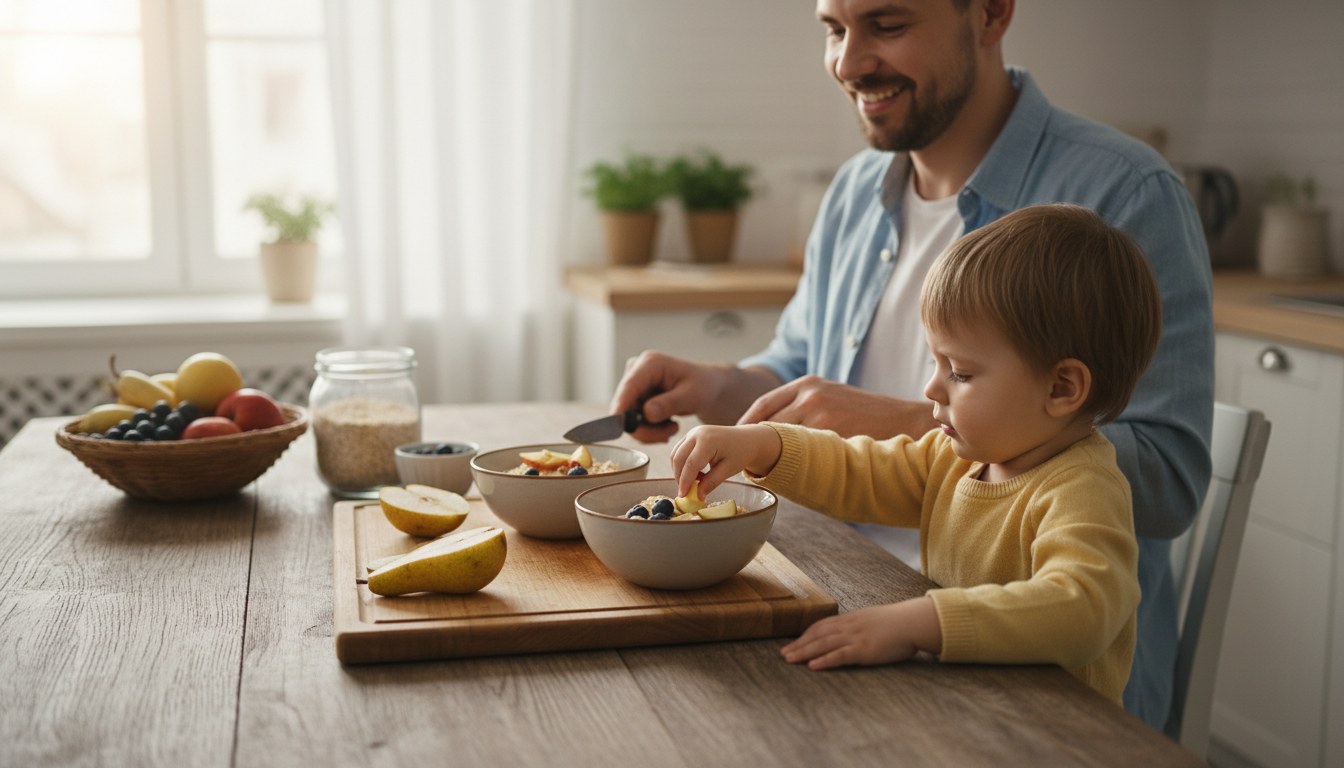
Fiber from real food, added gradually. Pears, prunes and prune juice, apples with the skin on, berries, beans, oatmeal, and whole grain bread all add bulk to stool. Add these slowly over a week or two rather than all at once, since a sudden jump in fiber can cause gas and bloating.
Steady fluids through the day. Water is the priority. Offer small amounts often rather than one large glass, especially for toddlers who forget to drink when they are busy playing.
Watch milk and dairy intake. Too much cow's milk can crowd out other foods and contribute to constipation in some children. This does not mean cutting dairy out, just keeping portions reasonable alongside fiber-rich foods.
Movement every day. Running, playing outside, or even a short walk helps keep the bowels moving. A child who sits for long stretches (screens, car rides, school) tends to get more backed up.
Home Care Steps That Actually Work
If your child is already uncomfortable, a food tweak alone often is not enough right away. These steps address the immediate problem while the diet changes take effect.
- Set a toilet routine after meals. The urge to have a bowel movement is naturally strongest 20 to 30 minutes after eating. Have your child sit on the toilet for 5 to 10 minutes after breakfast and dinner, even if nothing happens.
- Use a footstool. Feet flat on a stool, knees higher than hips, makes it mechanically easier to pass stool, especially for smaller children on adult-sized toilets.
- Make it low-pressure. Avoid scolding, rushing, or making a big deal out of accidents. Stress and fear around the toilet make children hold stool in, which worsens constipation over time.
- Ask your pediatrician about a short-term stool softener. Many pediatricians recommend an over-the-counter option like polyethylene glycol for a limited period. Follow the product label and your pediatrician's or pharmacist's specific guidance for your child's age and weight rather than estimating a dose yourself.
- Do not use adult-strength enemas or laxatives not meant for children. Some products sized for adults can cause dangerous shifts in a child's electrolytes. Only use what your pediatrician or the product label specifically approves for your child's age.
- Track what is normal for your child. Bowel habits vary a lot between kids. What matters more than a specific number of days is a clear change from your child's usual pattern, or stool that is hard, painful, or streaked with blood.
When Home Care Is Not Working
Give diet changes and a toilet routine one to two weeks to show improvement. If your child is still straining, still avoiding the toilet, or still having pain, it is time to loop in the pediatrician rather than keep adjusting things on your own. Chronic constipation that goes untreated can lead to stool withholding, soiling accidents, and a cycle that gets harder to break the longer it continues, so earlier medical guidance tends to make things easier, not harder.
When to Seek Medical Care
When to Seek Urgent or Emergency Care
Most constipation in children is uncomfortable but not dangerous. A few signs, however, point to a real emergency and should not wait for a regular appointment. This guidance is in addition to, not a replacement for, the general disclaimer above.
Emergency, call 911 or go to the emergency room immediately if:
- Your child has a hard, swollen, or severely painful belly, especially with repeated vomiting (particularly green or yellow vomit), which can signal a bowel blockage.
- There is a large amount of blood in the stool, or blood mixed throughout rather than just a streak.
- Your child has severe abdominal pain that does not ease up, or pain combined with a high fever.
- Your baby is under 2 months old and has not had a bowel movement in an unusually long time, seems to be in pain, or is feeding poorly or unusually sleepy.
- Your child accidentally swallows a laxative, stool softener, or enema product not meant for them; call Poison Control at 1-800-222-1222 or seek emergency care.
See a doctor soon (same-day or next available appointment) if:
- Constipation has lasted more than two weeks despite consistent diet changes and a toilet routine.
- Bowel movements are consistently painful, or your child cries or resists going to the toilet.
- There are streaks of blood on the stool or toilet paper, even without other symptoms.
- A previously toilet-trained child starts having soiling accidents (this can be a sign of stool withholding, not defiance).
- Your child has lost their appetite, seems unusually tired, or is not gaining weight as expected.
- Constipation started suddenly with no clear cause, or keeps coming back after seeming to resolve.
Frequently Asked Questions
How many days without a bowel movement is too many for a child?
There is no single cutoff that applies to every child, since normal frequency varies. A change from your child's usual pattern, combined with straining, hard stool, or pain, matters more than counting days alone, and anything past a week or so is worth mentioning to the pediatrician.
Is it normal for kids to have painful bowel movements sometimes?
An occasional hard or uncomfortable stool is common and not usually a concern. Bowel movements that are painful repeatedly, or that lead your child to avoid the toilet, are a sign the constipation needs active management.
Can diet changes alone fix child constipation?
For mild, early constipation, yes, more fiber, fluids, and movement often resolve it within a week or two. Once a child has started holding stool in or has ongoing pain, diet alone is usually not enough and a stool softener plus a toilet routine, guided by the pediatrician, works better.
Should I give my child a laxative without asking the doctor first?
A brief course of a common over-the-counter option can be reasonable for occasional constipation, but check the product label for your child's age and confirm with your pediatrician or pharmacist, especially if you are unsure about the right product or if constipation keeps recurring.
Why does my child hold in their poop?
Stool withholding usually starts after one painful or scary bowel movement. The child associates the toilet with pain, holds stool in to avoid it, which makes the next stool larger and harder, and the cycle continues unless it is addressed with a gentle, low-pressure routine.
What foods tend to make kids constipated?
Diets heavy in cheese, processed snacks, white bread, and large amounts of cow's milk with little fiber are common contributors. Balancing these with fruits, vegetables, whole grains, and water usually helps.
When does chronic constipation need a specialist?
If constipation keeps returning despite consistent home care and pediatrician-guided treatment, or if there are ongoing soiling accidents, the pediatrician may refer your child to a pediatric gastroenterologist for further evaluation.
Related articles
When to worry if your child isn't eatingHow to Tell If Your Child Is DehydratedHow long is a stomach bug contagious in kids?Sources
- MedlinePlus (National Library of Medicine, NIH) - Constipation in Infants and Children
- National Institute of Diabetes and Digestive and Kidney Diseases (NIDDK, NIH) - Constipation in Children
- American Academy of Pediatrics (AAP) - Constipation in Children
- Mayo Clinic - Constipation in Children - Symptoms & Causes
- CDC: Nutrition and fiber intake guidance for children.