Why Do I Wake Up at 3am With Anxiety?
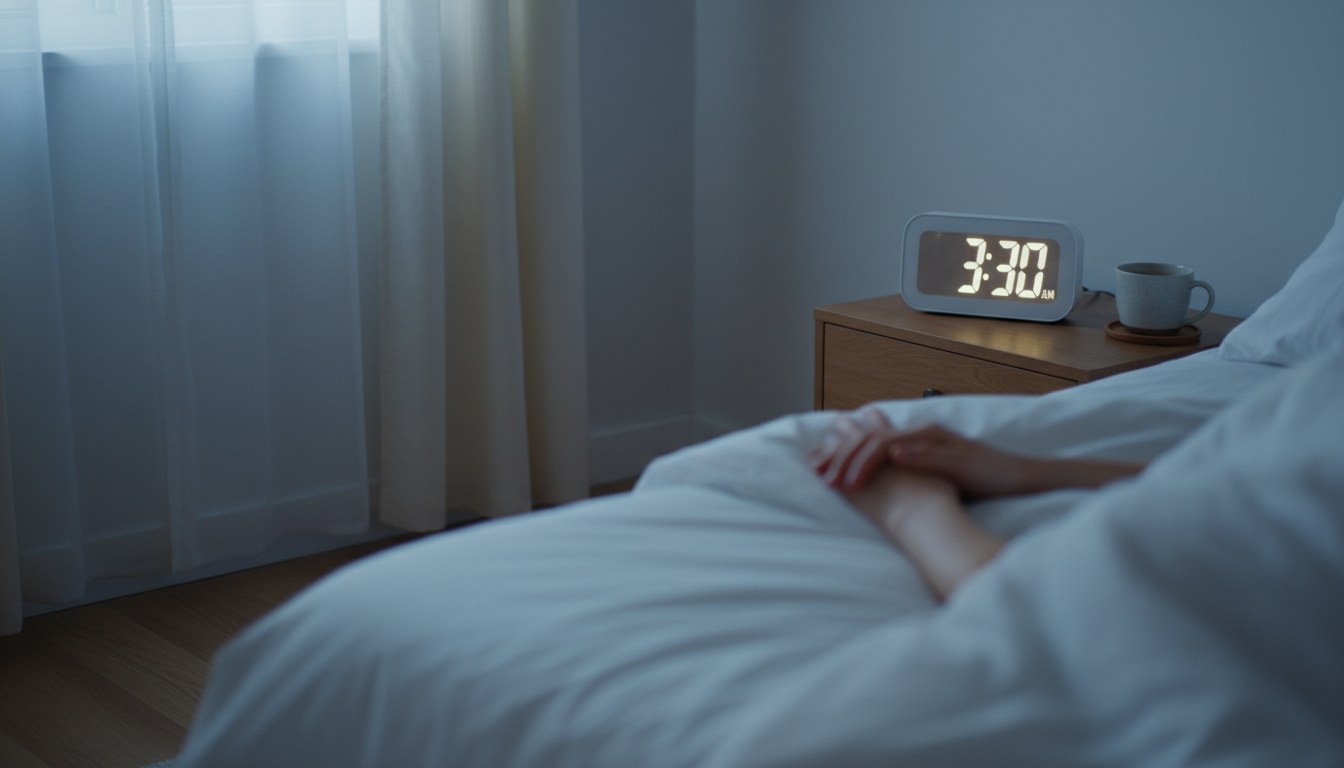
Waking at 3am with a racing heart or a rush of worry usually reflects a normal dip in blood sugar and a natural rise in the stress hormone cortisol that happens during this stage of sleep, combined with lighter, more easily disrupted sleep in the second half of the night.
Written By: DocAi Health Editorial Team
Last Updated: 2026-07-22
Waking at 3am with a racing heart or a rush of worry usually reflects a normal dip in blood sugar and a natural rise in the stress hormone cortisol that happens during this stage of sleep, combined with lighter, more easily disrupted sleep in the second half of the night. For most people it is uncomfortable but not dangerous, though frequent episodes can point to an underlying anxiety or sleep disorder worth addressing.
When to Seek Medical Care
Call 911 or go to the emergency room immediately if you or someone you know:
- Wakes with chest pain, pressure, or tightness that does not resolve within a few minutes, especially with pain radiating to the arm or jaw, sweating, or shortness of breath
- Has sudden severe shortness of breath or feels unable to breathe, not just a fast breathing pattern typical of anxiety
- Has thoughts of suicide or self-harm with a plan or intent, call or text 988 (US) (Suicide & Crisis Lifeline) or chat at 988lifeline.org; call 911 if there is immediate danger
- Faints, loses consciousness, or has one-sided weakness or slurred speech
- Has taken more than the prescribed amount of a medication, call Poison Control at 1-800-222-1222 (US) or go to the ER
See a doctor soon (not an emergency) if you have:
- Waking with anxiety or panic several nights a week for more than a few weeks
- Loud snoring, gasping, or choking during sleep, which can point to sleep apnea rather than anxiety alone
- Daytime fatigue, irritability, or trouble concentrating from ongoing poor sleep
- A new or persistent racing heart that feels different from your usual anxiety, worth a check to rule out a thyroid or heart-rhythm cause
What's Happening in Your Body at 3am
Sleep is not one continuous state, it cycles through lighter and deeper stages roughly every 90 minutes. By the early morning hours, deep sleep becomes rarer and lighter stages dominate, which makes it easier to be jolted awake by a noise, a dream, or an internal sensation. At the same time, cortisol, the body's main stress hormone, begins its natural rise several hours before typical wake time as part of the normal circadian rhythm. If dinner was early or light, blood sugar can also dip overnight, and a drop in glucose triggers the release of adrenaline, which mimics or amplifies feelings of anxiety. None of this is dangerous by itself, but the combination can often make anxious thoughts that were manageable during the day suddenly feel loud and urgent in the middle of the night.
Common Causes
- Daytime stress carried into sleep: unresolved worry about work, finances, or relationships often resurfaces once distractions are gone
- Generalized anxiety disorder or panic disorder: conditions marked by excessive worry or sudden fear episodes that can occur during sleep as well as while awake
- Alcohol: often causes lighter, more fragmented sleep and a rebound in anxiety as it is metabolized overnight
- Caffeine late in the day: can keep the nervous system activated well into the night
- Sleep apnea: repeated pauses in breathing during sleep can trigger sudden, alarming awakenings that feel like anxiety
- Low blood sugar: especially in people with diabetes or those who eat dinner early and skip a bedtime snack
Is This a Panic Attack or Something Else?
A nocturnal panic attack involves waking abruptly with a pounding heart, sweating, trembling, chest tightness, or a feeling of doom, usually peaking within about 10 minutes and then easing. It happens without an external trigger, unlike a nightmare, which wakes you with a specific frightening dream you can recall. If episodes recur and you start dreading bedtime because of them, that pattern is treatable and worth bringing to a clinician rather than something to just push through.
What You Can Do Tonight
- Keep both feet on the floor and name five things you can see, four you can touch, three you can hear, this grounding technique interrupts the anxiety spiral
- Try slow, extended exhales, breathing out longer than you breathe in signals safety to the nervous system
- If more than about 20 minutes pass without settling, get up and sit somewhere dim and quiet rather than lying there frustrated
- Avoid checking the clock repeatedly or reaching for your phone, both tend to increase alertness
- A small protein or complex-carbohydrate snack before bed can help if low blood sugar seems to be a factor
When It Points to an Underlying Condition
Occasional nighttime anxiety is common and usually not a sign of a disorder. It becomes worth a medical evaluation when it happens most nights for weeks at a time, when it is paired with excessive daytime worry, or when snoring and gasping suggest sleep apnea rather than anxiety. A primary care provider can screen for thyroid issues, sleep disorders, and anxiety conditions, and a mental health clinician can help if generalized anxiety disorder or panic disorder is the underlying driver.
Practical Takeaways
- 3am waking is often a normal cortisol and sleep-cycle pattern, not a sign something is wrong
- Cutting back on evening alcohol and late caffeine often reduces episodes
- Get up rather than lie awake frustrated if sleep doesn't return within about 20 minutes
- Frequent episodes with daytime worry deserve a conversation with a doctor
Frequently Asked Questions
Is waking up at 3am with anxiety a panic attack?
It can be. A nocturnal panic attack involves waking suddenly with a racing heart, shortness of breath, chest tightness, sweating, or a sense of dread, without an obvious trigger, and usually peaks within about 10 minutes. If episodes happen repeatedly and cause you to fear falling back asleep, it is worth discussing with a doctor, since panic disorder is treatable.
Why 3am specifically?
Around this time cortisol naturally begins rising to prepare the body for waking, sleep shifts into a lighter stage that is easier to be roused from, and blood sugar can dip if dinner was several hours earlier. None of these are dangerous on their own, but they create a physiological window where anxious thoughts are more likely to surface and to feel more intense than they would during the day.
Can alcohol cause 3am waking?
Yes. Alcohol can help you fall asleep initially but disrupts sleep in the second half of the night as it is metabolized, often triggering waking around this window along with a rebound in anxiety. Reducing evening alcohol is one of the most effective changes for this specific pattern.
Should I get out of bed if I can't fall back asleep?
If you have been awake for more than about 20 minutes and are becoming frustrated, most sleep specialists recommend getting up, going to a dim, quiet room, and doing something calm and non-stimulating until you feel sleepy again, then returning to bed. Staying in bed while anxious can train your brain to associate the bed with wakefulness.
When does this become generalized anxiety disorder?
Occasional nighttime anxiety is common and not a diagnosis on its own. It may point to generalized anxiety disorder when the worry is excessive, hard to control, present most nights for six months or more, and paired with daytime symptoms like fatigue, irritability, or difficulty concentrating. A primary care provider or therapist can assess this.
Sources
- National Institute of Mental Health (NIMH, NIH) - Anxiety Disorders
- MedlinePlus (National Library of Medicine, NIH) - Sleep and your health
- Mayo Clinic - Nighttime panic attacks: What causes them?
- Anxiety and Depression Association of America (ADAA) - What are Sleep Disorders?
- Centers for Disease Control and Prevention (CDC) - About Sleep