Signs Your Blood Sugar Is Dropping Too Low
Low blood sugar, or hypoglycemia, happens when glucose levels drop below what your brain and body need to function normally, generally under 70 mg/dL.
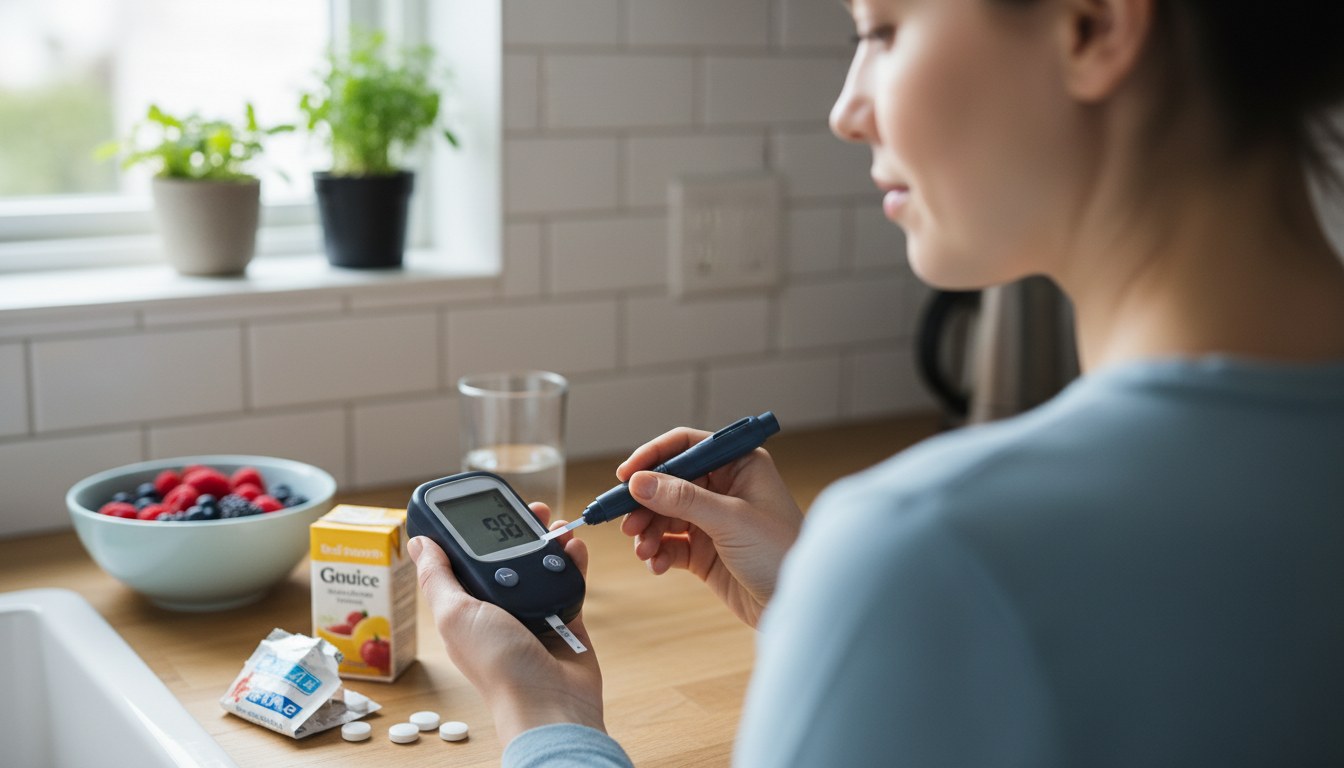
Written By: DocAi Health Editorial Team
Last Updated: 2026-07-21
Low blood sugar, or hypoglycemia, happens when glucose levels drop below what your brain and body need to function normally, generally under 70 mg/dL. It comes on quickly, often within minutes, and produces a recognizable set of warning signs: shakiness, sweating, a racing heart, and sudden hunger. Catching these signs early and treating them right away is the key to preventing a more dangerous drop that can affect thinking, coordination, and in severe cases, consciousness.
Early Warning Signs
When blood sugar starts to fall, the body releases adrenaline and other stress hormones to push glucose back up. This is what produces the classic early symptoms, and they usually appear fast:
- Shakiness or trembling, especially in the hands
- Sweating, often described as sudden and cold, even in a cool room
- A fast or pounding heartbeat
- Sudden, intense hunger
- Dizziness or lightheadedness
- Irritability, anxiety, or a sudden mood change
- Tingling or numbness around the lips or fingers
- Pale skin
- Headache
These early signs are the body's alarm system. If you catch them and treat the low right away, most episodes resolve within 15 to 20 minutes without escalating further.
Signs of a Worsening or Severe Low
If blood sugar keeps dropping, or the early signs go unnoticed or untreated, symptoms shift from physical discomfort to changes in brain function, glucose is the brain's primary fuel source, so a serious drop affects thinking and behavior:
- Confusion or trouble concentrating
- Slurred speech
- Blurred or double vision
- Clumsiness or poor coordination, which can look like intoxication to bystanders
- Unusual behavior, such as acting confused about time or place
- Extreme fatigue or weakness
- Seizures
- Loss of consciousness
This second tier of symptoms is a medical emergency. A person experiencing confusion, a seizure, or loss of consciousness from low blood sugar cannot safely treat themselves and needs help from someone else right away.
What Causes Blood Sugar to Drop Too Low
Hypoglycemia is most common in people being treated for diabetes, but it has several possible causes:
Diabetes Medication
Insulin and sulfonylurea medications (such as glipizide or glyburide) lower blood sugar and can cause it to drop too far if the dose is too high relative to food intake, activity, or timing.
Skipped or Delayed Meals
Taking diabetes medication and then skipping, delaying, or eating a smaller meal than usual is one of the most common causes of an unexpected low.
Increased Physical Activity
Exercise increases glucose uptake by muscles, sometimes for many hours afterward, which can cause lows well after a workout is finished, not just during it.
Alcohol
Alcohol suppresses the liver's ability to release stored glucose. Drinking, especially without food, can cause delayed low blood sugar, sometimes hours later or even the next morning.
Other Causes
Less commonly, hypoglycemia can occur without diabetes medication, related to certain other medications, heavy alcohol use, hormone deficiencies, some post-bariatric surgery patients, or rare insulin-producing tumors. Reactive hypoglycemia, a drop a few hours after eating, is another pattern some people experience.
When to Seek Medical Care
Emergency, call 911 or go to the emergency room immediately for any of the following:
- Confusion, slurred speech, or unusual behavior that does not clear within a few minutes of treating a low
- Seizure of any kind
- Loss of consciousness or inability to wake someone up, give glucagon immediately if it is available and prescribed, then call 911
- Inability to safely swallow food or drink due to confusion or drowsiness, never try to give food or liquid to someone who cannot swallow safely
- A low that follows a known or suspected medication overdose (for example, an accidental double dose of insulin), also call Poison Control at 1-800-222-1222 (US)
- Repeated severe lows in a short period of time
See a doctor soon (not an emergency) for:
- Low blood sugar episodes that keep happening even though you are eating and dosing medication as prescribed
- Lows that occur overnight or without the usual warning symptoms (possible hypoglycemia unawareness)
- Questions about adjusting insulin or medication doses
- New symptoms of low blood sugar in someone who does not have diabetes
Living with recurring low blood sugar episodes can be frightening and exhausting. If you are having thoughts of self-harm or suicide, call or text 988 (US) (Suicide & Crisis Lifeline), or call 911 for immediate danger.
How to Treat a Low Right Away
The American Diabetes Association recommends the "15-15 rule" for mild to moderate lows in someone who is awake and able to swallow safely:
- Eat or drink 15 grams of fast-acting carbohydrate, such as glucose tablets, half a cup of regular (not diet) soda or juice, or a tablespoon of sugar or honey.
- Wait 15 minutes, then recheck blood sugar if a meter is available.
- If it is still below 70 mg/dL, repeat with another 15 grams of fast-acting carbohydrate.
- Once blood sugar is back in a normal range, eat a small snack or your next meal to help keep it stable.
For someone who is unconscious, having a seizure, or unable to swallow safely, do not give food or liquid by mouth. If glucagon (an injection or nasal spray prescribed for severe lows) is available, use it and call 911.
Reducing the Risk of Future Lows
- Check blood sugar as recommended by your care team, especially before driving, exercising, or bed
- Never skip meals if you take insulin or a sulfonylurea
- Carry a fast-acting carbohydrate source at all times if you are prone to lows
- Wear a medical alert bracelet or ID if you have frequent or severe hypoglycemia
- Talk to your care team about whether a continuous glucose monitor could help catch drops earlier
- Ask your care team about glucagon if you have severe lows, and make sure someone close to you knows how to use it
Frequently Asked Questions
What blood sugar number counts as low?
For most people with diabetes, a reading of 70 mg/dL or below is considered low and should be treated. Below 54 mg/dL is classified as clinically significant hypoglycemia and needs prompt action. Numbers can feel low even above 70 mg/dL if your blood sugar has dropped quickly.
What is the 15-15 rule?
The 15-15 rule is a common approach for mild to moderate low blood sugar: eat or drink 15 grams of fast-acting carbohydrate, wait 15 minutes, then recheck. If it is still below 70 mg/dL, repeat. Once it normalizes, eat a small snack or meal to keep it stable.
Can low blood sugar happen without diabetes?
Yes, though it is less common. Reactive hypoglycemia after meals, certain medications, heavy alcohol use, some hormone deficiencies, and rare tumors can all cause low blood sugar in people who do not have diabetes. Recurring symptoms without diabetes deserve a medical evaluation.
Why do I not feel my low blood sugar anymore?
This is called hypoglycemia unawareness. It develops in some people with diabetes who have had frequent low blood sugar episodes, the body stops sending the usual warning signals like shakiness or sweating. It raises the risk of severe lows and should be discussed with your care team, since treatment adjustments can sometimes restore awareness.
Should I always carry glucose tablets?
If you take insulin or certain diabetes medications that can cause lows, yes. Glucose tablets or gel act quickly and give a predictable dose of carbohydrate. Family members or coworkers should also know where you keep glucagon if you have been prescribed it.
Sources
- CDC - Low Blood Sugar (Hypoglycemia)
- National Institute of Diabetes and Digestive and Kidney Diseases (NIDDK, NIH) - Low Blood Glucose (Hypoglycemia)
- American Diabetes Association - Standards of Care in Diabetes
- Mayo Clinic - Hypoglycemia - Symptoms and causes
- MedlinePlus (National Library of Medicine, NIH) - Hypoglycemia