Hives: What Causes Them and When Are They an Emergency?
Hives are raised, itchy welts that appear and fade on the skin, and in many cases they are linked to an allergic reaction, an infection, a medicine, or no cause that can be found. Most episodes are not emergencies.
Written By: DocAi Health Editorial Team
Last Updated: 2026-09-21
Hives are raised, itchy welts that appear and fade on the skin, and in many cases they are linked to an allergic reaction, an infection, a medicine, or no cause that can be found. Most episodes are not emergencies. Hives become urgent when they come with trouble breathing, throat or tongue swelling, or faintness, which can signal anaphylaxis. This article covers what causes hives, how they behave, what to do at home, and which symptoms need 911.
What hives are and how they look
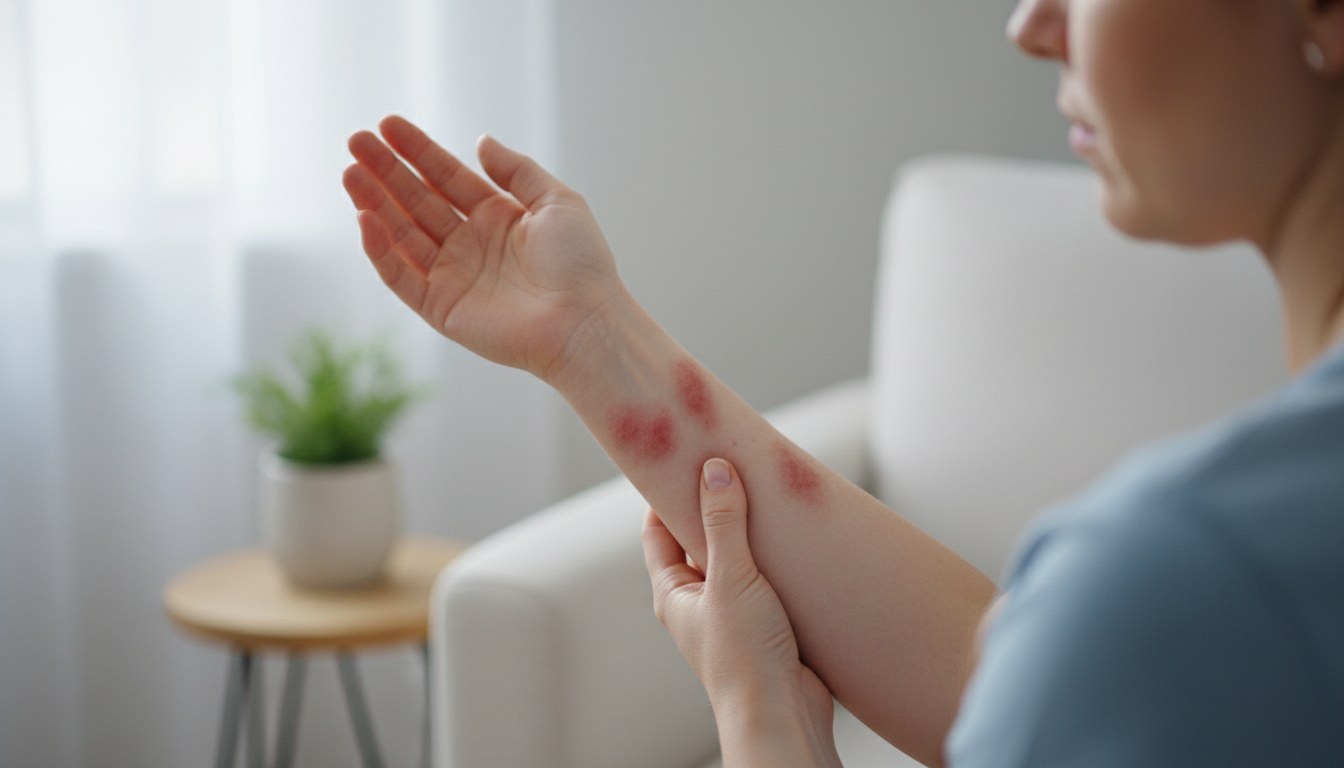
Hives (urticaria) are raised, red or skin-colored welts that itch, and sometimes sting or burn. MedlinePlus describes them as a common skin reaction, often related to an allergic trigger. A single welt usually fades on its own, and new ones may appear in other places while old ones disappear. That moving pattern is one of the features clinicians look for.
Welts can be as small as a pencil eraser or merge into patches several inches wide. When you press on one, the center may turn pale. The skin between welts often looks normal.
Hives versus angioedema
Angioedema is swelling in the deeper layers of skin, most often around the eyes, lips, tongue, hands, or feet. It can happen with hives or on its own. It tends to feel tight or tender more than itchy. Swelling of the lips and eyelids can be uncomfortable, but swelling of the tongue or throat can affect breathing and needs emergency care.
What causes hives
Hives develop when cells in the skin release histamine and other chemicals, which make small blood vessels leak fluid into the surrounding tissue. Several factors can contribute, and in many people no single cause is identified. The international urticaria guideline notes that chronic cases in particular often have no clear external trigger.
Common triggers to consider
- Foods: peanuts, tree nuts, shellfish, eggs, milk, and others can cause hives in people with a true food allergy, usually soon after eating.
- Medicines: antibiotics such as penicillin, aspirin and other anti-inflammatory pain relievers, and some other drugs can cause hives. MedlinePlus has a page on drug reactions.
- Infections: viral illnesses, including common colds, are often associated with short episodes of hives, especially in children.
- Insect stings and bites: bee, wasp, and fire ant stings can cause hives, sometimes beyond the sting site.
- Physical triggers: pressure, cold, heat, sunlight, exercise, scratching, or vibration can cause hives in some people. These are called inducible urticarias.
- Latex and plants: contact with latex or certain plants may cause welts where the skin touched them.
- Stress and illness: stress may make hives worse for some people, though it is not established as the sole cause. Autoimmune conditions, including thyroid disease, are associated with chronic hives in some people.
If your skin is itchy but you see no welts or rash, our article on itchy skin without a rash covers a different set of causes.
Acute versus chronic hives
The international urticaria guideline separates hives by duration. Acute urticaria lasts less than six weeks. Chronic urticaria is defined as welts, with or without angioedema, occurring on most days of the week for six weeks or longer. Acute hives are often connected to an infection, a medicine, or a food, although the cause is not always found.
Chronic hives can be frustrating because testing frequently does not reveal a trigger. A clinician combines your history, an examination, and selected tests rather than relying on one test. Many people with chronic hives improve over time, but how long it takes varies a great deal from person to person.
How long does one welt last?
An individual hive typically fades within 24 hours, even though new ones may keep appearing. The international urticaria guideline uses this feature when separating hives from other rashes. Welts that stay in the same spot for longer than a day, leave bruising, or burn more than they itch should be looked at by a clinician, since other conditions can look similar.
Signs that hives are an emergency
Hives alone are usually uncomfortable rather than dangerous. The concern is anaphylaxis, a severe allergic reaction that can involve several body systems at once. MedlinePlus lists symptoms of anaphylaxis that include trouble breathing, swelling of the face, lips, or throat, a rapid pulse, dizziness or fainting, and vomiting or abdominal cramping.
Anaphylaxis can progress quickly. If hives appear after a sting, a new medicine, or a food you are allergic to, and you also feel any of the symptoms above, treat it as an emergency and call 911.
What to do while waiting for help
- If you have been prescribed an epinephrine auto-injector (such as EpiPen or Auvi-Q), use it right away in the outer thigh as the device instructions describe, then call 911, even if symptoms start to improve. Epinephrine is the main emergency treatment for anaphylaxis, and emergency evaluation is still needed afterward because symptoms can return. Ask your clinician or pharmacist in advance how a second dose fits your device and plan, and tell emergency responders if you have used one.
- Call 911 and do not drive yourself. If you do not have an auto-injector, calling 911 first is the priority.
- Lie flat with legs raised if you feel faint, unless that makes breathing harder. If you are vomiting or having trouble breathing, sitting up or lying on your side may be more comfortable.
- Do not rely on an antihistamine for a severe reaction, and do not wait for one to work. Antihistamines relieve itching but do not treat anaphylaxis.
Swelling that needs attention even without hives
Angioedema without hives can have other causes. Some blood pressure medicines, particularly ACE inhibitors, can cause angioedema in some people. There are also hereditary forms that do not respond to antihistamines. Swelling of the lips, face, or tongue in someone taking an ACE inhibitor needs emergency evaluation, because it can spread to the tongue and throat and narrow the airway. Call 911 if swelling reaches the tongue or throat or affects breathing or swallowing. Antihistamines are not expected to help this type of swelling.
Ordinary swelling of the legs or ankles from fluid, described on the MedlinePlus edema page, is a different problem from angioedema and usually builds gradually.
Managing hives at home
When hives are mild and you have no breathing or swallowing symptoms and no lip, face, or tongue swelling, these steps can help:
- Note possible triggers. Write down new foods, medicines, products, and activities from the day the welts appeared. This helps your clinician.
- Cool the skin. A cool damp cloth or a cool shower may ease itching for some people.
- Wear loose clothing and avoid scratching, which can cause new welts in some people.
- Consider a non-drowsy antihistamine. Second-generation antihistamines such as cetirizine or loratadine are commonly used. Our comparison of cetirizine and loratadine explains the differences. Read the label, and ask a pharmacist or your clinician about the right product, especially for children, during pregnancy, or if you take other medicines.
Please do not change the dose or timing of any prescription medicine on your own. If you think a medicine caused your hives, talk with the prescriber or a pharmacist about it. If you have swelling of the lips, face, or tongue while taking a blood pressure medicine, get emergency evaluation and ask the emergency team or your prescriber before taking another dose, because that decision belongs to a clinician who has assessed you.
What a clinician may do
For a first, short episode with an obvious cause, a clinician may need little more than your history and an examination. For hives lasting several weeks, they may ask about medicines, infections, and other symptoms, and may order selected blood tests. The international guideline suggests that extensive routine testing is often not useful in chronic hives without clues from the history.
Treatment for ongoing hives generally begins with a second-generation antihistamine. If that is not enough, clinicians have further options, which may include higher antihistamine doses under supervision or other prescription medicines. Outcomes vary, and your clinician will decide what is appropriate for you. Anyone who has had a serious allergic reaction may be referred to an allergist and given an epinephrine auto-injector with instructions.
When to see a clinician soon
Book an appointment if hives last more than a few days, come back repeatedly, interfere with sleep, or do not improve with an over-the-counter antihistamine. Tell your clinician about every medicine and supplement you take, since a new or recent one can be the cause. Hives with fever, joint pain, or welts that leave bruises or last more than a day may point to something other than ordinary hives and deserve prompt evaluation.
When to Seek Medical Care
When to Seek Urgent or Emergency Care
Hives on their own are usually not an emergency, but hives together with signs that the airway or circulation is affected can be anaphylaxis. If you have a prescribed epinephrine auto-injector, use it right away in the outer thigh and then call 911, even if symptoms improve; do not rely on antihistamines, and lie flat with legs raised unless breathing is easier sitting up. This guidance is in addition to, not a replacement for, the general disclaimer above.
Emergency, call 911 or go to the emergency room immediately if:
- Hives with trouble breathing, wheezing, a tight chest, or noisy breathing, which can mean the airways are narrowing during a severe allergic reaction.
- Swelling of the tongue, lips, or throat, or a feeling that your throat is closing or that you cannot swallow or speak normally.
- Hives with dizziness, fainting, a very fast pulse, or confusion, which can be signs of a drop in blood pressure from anaphylaxis.
- Hives that start soon after a sting, a new medicine, or a food you are allergic to, together with vomiting, severe cramping, or widespread swelling.
- Lip, face, or tongue swelling while taking an ACE inhibitor or similar blood pressure medicine, which can spread to the throat; do not take another dose until a clinician has assessed you.
- A child with hives who becomes limp, unusually sleepy, pale, or has trouble breathing, even if the symptoms seem to improve briefly.
See a doctor soon (same-day or next available appointment) if:
- Hives that keep returning for several days or weeks, which a clinician can evaluate to look for triggers and discuss treatment options.
- Hives that do not improve with an over-the-counter non-drowsy antihistamine used according to the label and pharmacist advice.
- Welts that last longer than a day in the same spot, leave bruising, or burn more than they itch, since other skin conditions can look similar.
- Hives with fever, joint pain, or feeling generally unwell, which may point to an infection or another condition needing evaluation.
Frequently Asked Questions
What is the most likely cause of sudden hives?
Sudden hives are often associated with a viral infection, a food, a medicine, or an insect sting, but several factors can contribute and in many cases no cause is found. If hives appear soon after a new food or drug, tell your clinician so they can consider that link.
How long do hives usually last?
A single welt typically fades within 24 hours, though new ones may keep appearing. The international urticaria guideline calls hives acute when they last under six weeks and chronic when they occur most days for six weeks or longer. Duration varies from person to person.
Are hives contagious?
Hives themselves are not contagious, and you cannot catch them by touching someone's welts. However, a viral infection that sometimes triggers hives can spread between people. If hives follow a cold or other illness, the infection may be the contributing factor rather than the hives.
Can stress cause hives?
Stress may make hives worse or seem to bring on flares in some people, but it is not established as the only cause. Because other triggers such as infections, medicines, and foods are possible, a clinician usually looks at the full picture rather than assuming stress is responsible.
When should I go to the ER for hives?
Call 911 if hives come with trouble breathing, swelling of the tongue or throat, fainting, a racing pulse, or repeated vomiting, especially after a sting, medicine, or food. If you have a prescribed epinephrine auto-injector, use it right away and then call 911. Hives without those symptoms can usually be assessed during regular care.
Do antihistamines help hives?
Second-generation antihistamines such as cetirizine or loratadine can help relieve itching and reduce welts for many people, though results vary. Check the label and ask a pharmacist or your clinician about the right choice, especially for children or if you take other medicines. They are not a treatment for anaphylaxis.
Why do I get hives with no known cause?
Many people with chronic hives never find a clear trigger. The international urticaria guideline recognizes this, and in some cases the immune system may be involved. A clinician combines your history, examination, and selected testing, and may refer you to an allergist if hives persist.
Is hives swelling around the eyes or lips dangerous?
Swelling of the eyelids or lips from hives is often uncomfortable but not dangerous by itself. It becomes an emergency if it spreads to the tongue or throat, or if breathing or swallowing becomes difficult. Lip, face, or tongue swelling while taking an ACE inhibitor needs emergency evaluation, and antihistamines are not expected to help it.
Related articles
Cetirizine vs. Loratadine: Which Antihistamine Fits Your Allergy Symptoms?Itchy Skin Without a Rash: Causes and When to WorryWhy Does My Face Feel Hot and Turn Red? Causes of Facial FlushingSources
- MedlinePlus (NIH) - Hives
- MedlinePlus (NIH) - Anaphylaxis
- MedlinePlus (NIH) - Drug Reactions
- MedlinePlus (NIH) - Edema
- MedlinePlus (NIH) - Itching
- PubMed Central (NIH) - The International Guideline for the Definition, Classification, Diagnosis and Management of Urticaria
- PubMed Central (NIH) - Current and future therapies for the treatment of histamine-induced angioedema