What Does a High ALT but Normal AST Mean on a Liver Panel?
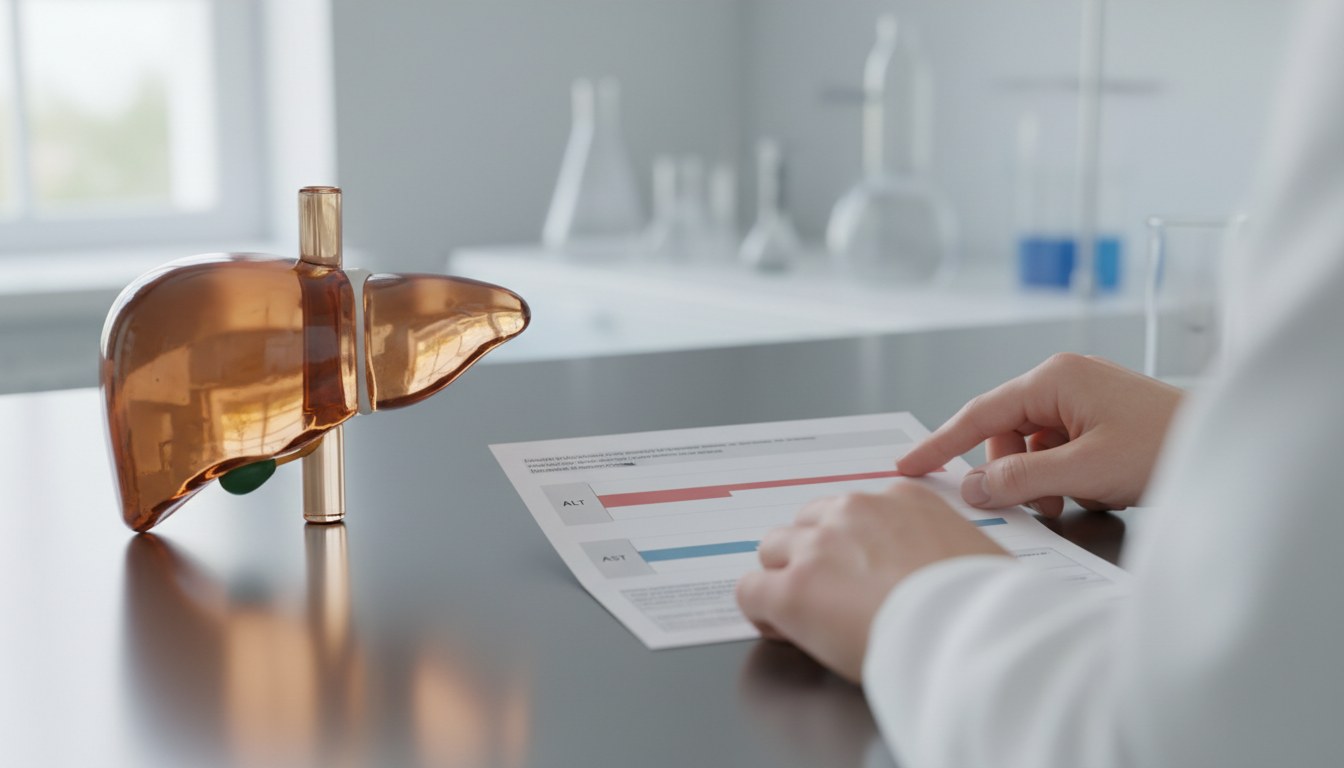
A high ALT with a normal AST usually points to the liver rather than the heart or muscles, because ALT is the more liver-specific of the two enzymes.
Written By: DocAi Health Editorial Team
Last Updated: 2026-07-19
A high ALT with a normal AST usually points to the liver rather than the heart or muscles, because ALT is the more liver-specific of the two enzymes. In most adults this pattern is mild, and the single most common reason is fatty liver disease. It is generally not an emergency, but it still deserves follow-up with your provider to find and address the cause.
What ALT and AST Measure
ALT and AST are enzymes that live inside your cells and help with normal metabolism. When liver cells are stressed or damaged, they leak these enzymes into the bloodstream, so higher levels can show up on a blood test. Both usually appear together on a liver panel (also called liver function tests), but they are not equally specific to the liver.
ALT (alanine aminotransferase): Found mostly inside liver cells. Because so little of it comes from other tissues, a rise in ALT usually reflects the liver specifically. Normal range: roughly 7 to 56 U/L in adults, though this varies by lab and by sex.
AST (aspartate aminotransferase): Found in the liver but also in the heart, skeletal muscle, kidneys, brain, and red blood cells. Because it is spread across many tissues, a high AST can come from the liver or from somewhere else, such as a muscle injury. Normal range: roughly 10 to 40 U/L in adults. Always read your own result against the range printed on your report, since labs differ.
Why a High ALT With a Normal AST Points to the Liver
Because ALT is concentrated in the liver and AST is not, the combination of a raised ALT and a normal AST is a fairly clean signal that the source is the liver itself. If a muscle problem or a heart issue were driving the numbers, you would usually expect AST to climb too, and often more than ALT.
Clinicians also look at the ratio between the two enzymes for extra clues:
- ALT higher than AST (ratio below 1): The typical picture in non-alcoholic fatty liver disease, which is exactly the pattern many people see when their ALT is up but their AST is normal.
- AST higher than ALT (ratio around 2 or more): More suggestive of alcohol-related liver disease, and it can also appear in advanced scarring (cirrhosis). This is not the pattern in an isolated high ALT.
So a high ALT with a normal AST most often reflects a chronic, low-grade, liver-focused process rather than heavy alcohol damage or a non-liver source.
Common Causes of a High ALT With Normal AST
1. Non-Alcoholic Fatty Liver Disease (NAFLD)
This is the most common cause in the United States. Extra fat builds up in the liver in people who drink little or no alcohol, causing mild inflammation and a steady leak of ALT. It is closely linked to being overweight, type 2 diabetes, insulin resistance, and high triglycerides. Most people have no symptoms, and the ALT is usually only mildly raised while AST stays normal. Losing 5 to 10 percent of body weight, moving more, and improving blood sugar and cholesterol can lower liver fat and often bring ALT back to normal.
2. Chronic Viral Hepatitis (B and C)
Long-standing hepatitis B or C infection can cause a persistent, often mild rise in ALT while AST stays normal or only slightly up, frequently with no symptoms for years. These infections are found with specific blood tests (such as HBsAg and anti-HCV), and both are now highly treatable. Hepatitis C can usually be cured with a course of oral antiviral pills.
3. Medications and Supplements
Many prescription drugs, over-the-counter medicines, and herbal or "natural" supplements can nudge ALT upward. Common examples include statins, some antibiotics, certain seizure medicines, and supplements such as green tea extract or kava. The rise is often mild and reversible once the responsible product is stopped under medical supervision. Tell your provider about every supplement you take, since these are easy to overlook.
4. Alcohol and Other Metabolic Factors
Regular alcohol use can raise ALT, especially early on, although heavier long-term alcohol damage tends to push AST higher than ALT. Being significantly overweight, having poorly controlled diabetes, or having a thyroid problem can also contribute to a modestly high ALT.
5. Less Common Causes
Some people have a high ALT from conditions such as celiac disease, hereditary hemochromatosis (iron overload), or autoimmune hepatitis. These are less frequent, but they are part of why a provider looks at the full picture rather than the ALT number alone.
How Much the Number Matters
The size of the elevation helps set the pace of the workup. A mild, isolated rise is very common and usually reflects one of the benign causes above. A large jump is a different situation and is looked into more quickly.
| Degree of elevation | How high | What it often means |
|---|---|---|
| Mild | Less than 3x the upper limit of normal | Common; often fatty liver or another chronic, treatable cause |
| Moderate | 3 to 10x the upper limit | Warrants prompt evaluation to pin down the cause |
| Marked | More than 10x the upper limit | Suggests significant, often acute liver injury and needs urgent assessment |
A high ALT with a normal AST is usually in the mild range. A markedly high ALT, especially with symptoms, is handled with more urgency.
What to Do About a High ALT
A single mildly high ALT is often rechecked in a few weeks, since a one-time result can be a temporary blip. If it persists, your provider will read it in context with your history, weight, alcohol use, and medications. Depending on that picture, next steps can include repeat liver panels, hepatitis B and C testing, iron studies, and often a liver ultrasound. For fatty liver, the main treatment is lifestyle: gradual weight loss, regular activity, better blood sugar and cholesterol control, and limiting alcohol.
When to Seek Medical Care
When to Seek Urgent or Emergency Care
A high ALT with a normal AST is usually followed up on a routine basis, not in the emergency room. But certain symptoms alongside a liver result can signal a serious problem. This guidance is in addition to, not a replacement for, the general disclaimer above.
Emergency, call 911 or go to the emergency room immediately if:
- You have new confusion, disorientation, or unusual drowsiness. These can be signs the liver is struggling to clear toxins from the blood.
- You have yellowing of the skin or eyes (jaundice) together with persistent vomiting, or you notice easy bruising or bleeding that is hard to stop.
- You have severe abdominal pain, especially in the upper right side, with a high fever (100.4°F / 38°C or higher).
- You suspect an acetaminophen (Tylenol) overdose, taken on purpose or by accident, including from combination cold and flu products. Call Poison Control at 1-800-222-1222 right away and do not wait for symptoms or lab results. If the overdose was intentional, you can also call or text 988 (the US Suicide & Crisis Lifeline), or call 911 for immediate danger.
See a doctor soon (same-day or next available appointment) if:
- A high ALT stays up on a repeat test a few weeks later.
- You have ongoing fatigue, mild discomfort in the upper right abdomen, or darker urine without the emergency signs above.
- You have risk factors such as being overweight, type 2 diabetes, regular alcohol use, or a new medication or supplement, and you want the cause evaluated.
- A first-time mild elevation shows up on routine bloodwork with no symptoms, so your provider can decide whether to recheck it and look for a cause.
Frequently Asked Questions
Does a high ALT with a normal AST always mean liver disease?
Not always. Because ALT is concentrated in the liver, this pattern usually points to the liver rather than muscle or heart. But a mild, one-time elevation can also come from a recent illness, a new medication, extra body weight, or normal lab variation. A repeat test and a look at your history help sort out whether there is a real liver problem.
What is the most common cause of an isolated high ALT?
In the United States, non-alcoholic fatty liver disease (also called metabolic-associated fatty liver disease) is the most common reason for a mild, isolated high ALT. It is closely tied to extra weight, type 2 diabetes, and high triglycerides, and it often improves with weight loss and regular exercise.
Is a slightly high ALT something to worry about?
A mild elevation, meaning less than about three times the upper limit of normal, is common and usually not an emergency. It is still worth following up, because it can be an early sign of a treatable condition such as fatty liver or chronic hepatitis. Your provider may repeat the test and look for a cause.
Can a high ALT go back to normal on its own?
Yes, it often can. ALT can rise for a short time after a viral illness, strenuous activity, or a brief course of a medication, then return to normal. Fatty-liver-related elevations frequently improve with weight loss, more physical activity, and cutting back on alcohol.
Why is ALT more specific to the liver than AST?
ALT is found mostly inside liver cells, so a rise usually reflects stress on the liver. AST is also present in the heart, skeletal muscle, kidneys, and red blood cells, so a high AST can come from sources outside the liver. That is why a high ALT with a normal AST tends to point at the liver itself.
Sources
- National Institute of Diabetes and Digestive and Kidney Diseases (NIH) - Nonalcoholic Fatty Liver Disease (NAFLD) & NASH
- MedlinePlus (National Library of Medicine, NIH) - ALT Blood Test
- Mayo Clinic - Elevated liver enzymes Causes
- American Liver Foundation: Fatty liver disease and viral hepatitis.
- Centers for Disease Control and Prevention (CDC) - Viral Hepatitis