Frailty Syndrome: How It Differs From Normal Aging
Frailty is a recognized clinical syndrome in which the body's reserve is reduced, leaving a person more vulnerable to illness, injury, and other stressors. Several validated tools are used to identify it, and no single method is universally accepted as the gold standard.
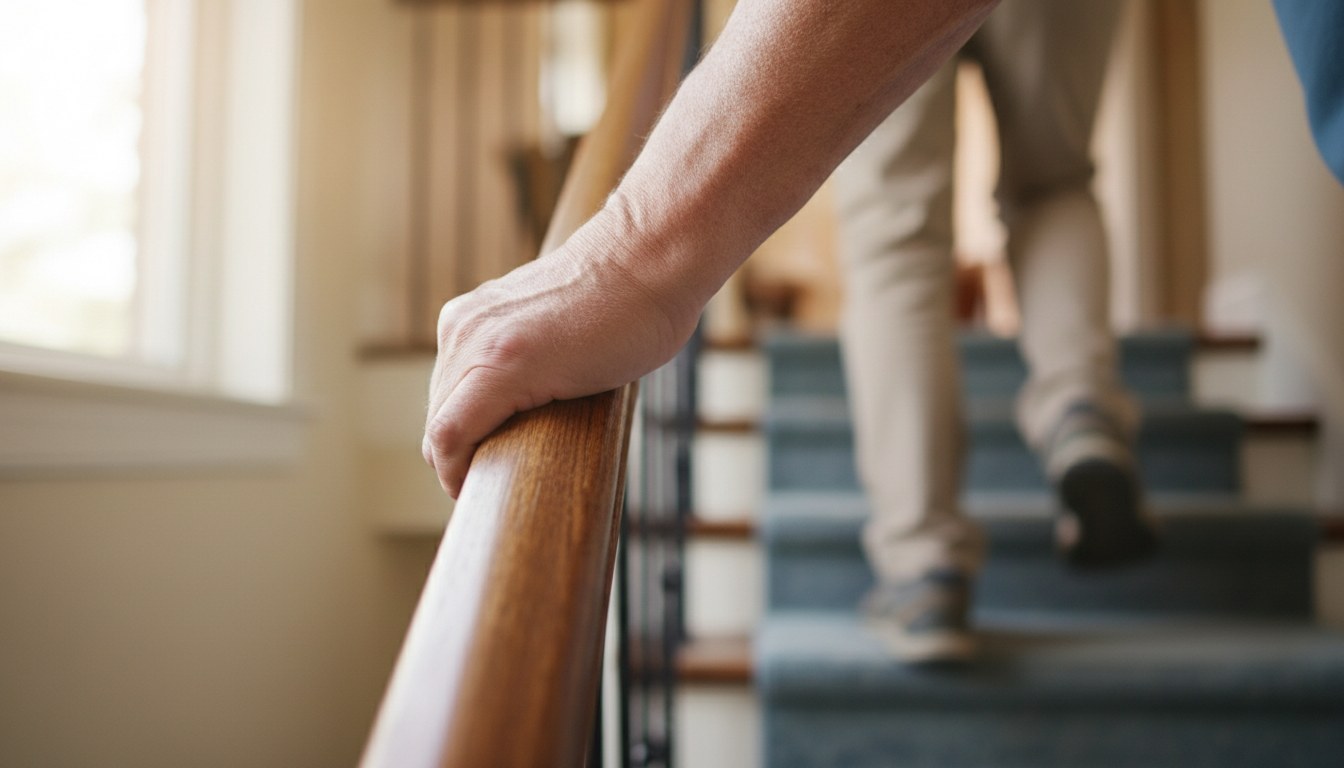
Senior HealthFrailty & Agingcondition-overview
Written By: DocAi Health Editorial Team
Last Updated: 2026-09-30
Last Updated: 2026-09-30
Medical Disclaimer: This article is for general informational and educational purposes only and is not medical advice. It does not create a doctor-patient relationship and is not a substitute for professional diagnosis or treatment by a qualified healthcare provider. Never disregard or delay seeking professional medical advice because of something you have read here. If you think you may have a medical emergency, call 911 or your local emergency number right away. Health information can change and this guidance is general and US-focused, so consult a licensed clinician in your own country about your specific situation.
Frailty is a recognized clinical syndrome in which the body's reserve is reduced, leaving a person more vulnerable to illness, injury, and other stressors. Several validated tools are used to identify it, and no single method is universally accepted as the gold standard. Normal aging brings gradual changes in strength and stamina, while frailty raises the risk of falls, hospital stays, and loss of independence. It can sometimes be slowed or partly reversed, especially when identified early. This article covers how frailty differs from normal aging, how it is assessed, what can help, and when to seek care.
What Frailty Syndrome Actually Is
Frailty syndrome is a recognized clinical state in which the body's reserve capacity drops across several systems at the same time. The clinical practice guideline from the International Conference on Frailty and Sarcopenia Research (ICFSR) describes it as an increased vulnerability to dependency or death when a person is exposed to a stressor, such as an infection, a new medication, or a few days in bed. A stressor like that can lead to a decline that a healthier older adult would recover from more easily.
Geriatric medicine treats frailty as distinct from having a chronic disease and distinct from needing help with daily tasks, though the three often overlap. A person can have heart disease or arthritis and still not be frail. A person can also be frail with no single named disease driving it, just an accumulation of small losses across body systems that add up to real vulnerability.
The Fried Frailty Phenotype: Five Common Criteria
One widely used way to assess physical frailty is the frailty phenotype developed by researcher Linda Fried and colleagues. It scores five measurable signs: unintentional weight loss (in the original cohort study, more than 10 pounds, or about 5 percent of body weight, in the past year); self-reported exhaustion, such as feeling that everything is an effort much of the time; weak grip strength on a hand-held dynamometer, adjusted for sex and body size; a slow walking pace over a short measured distance; and a noticeably low level of physical activity week to week. Having three or more of these signs meets the phenotype's definition of frailty. One or two signs is called pre-frailty, an in-between stage in which people face a higher risk of progressing to frailty and in which early action has the most room to help. Zero signs indicates that a person is not currently frail by this measure, whatever their age.
The exact cutoffs differ between versions of the tool, and clinicians may use other validated tools depending on the healthcare setting. The ICFSR guideline names the Fried phenotype as its recommended standard for clinical assessment while noting that frailty can be assessed with various criteria, and a review of the syndrome's definition and natural history notes that many adaptations of the phenotype exist and that no gold standard has been established.
Why Frailty Differs From Normal Aging
Normal aging brings gradual change. Strength peaks and slowly declines, recovery from a hard workout or a late night takes longer, and stamina for a long day tapers off over decades. Frailty is different: it describes a loss of reserve so deep that an ordinary event, a cold, a few days of poor appetite, a new blood pressure pill, can set off a steep drop that may not fully bounce back. The ICFSR guideline notes that frailty is not an obligatory part of the ageing process and that many adults reach advanced ages without developing it.
One practical difference matters for safety. Older adults with frailty may have less typical symptoms during an acute illness, so a serious infection may cause little or no fever. New confusion, unusual drowsiness, weakness, loss of appetite, or a sudden drop in daily function can sometimes be early signs of infection, dehydration, medication effects, or another acute medical problem. The American Geriatrics Society's HealthInAging.org explains that a sudden change in an older adult's mental abilities is a sign of delirium, a serious problem that needs quick treatment and that clinicians miss in up to half of the people who have it. That is why family members and caregivers are often the first to notice a problem a thermometer would miss. Our article on why a UTI can cause confusion in elderly adults gives one common example. A fever together with confusion, new weakness, or a fast heartbeat also needs emergency care.
What Causes Frailty to Develop
Frailty often builds from several forces at once rather than one clear cause. Muscle loss, called sarcopenia, is closely linked to frailty; our guide to sarcopenia and why older adults lose muscle covers that process in depth. The review cited above describes inflammation, hormone changes, poor nutrition, and inactivity as hypothesized contributors to the muscle loss behind frailty, and chronic conditions such as heart failure, COPD, diabetes, or kidney disease can draw down the body's reserve over time. Poor nutrition and unplanned weight loss play a large role too; see our article on unexplained weight loss in older adults for what that can signal on its own.
In someone who is already frail, a new problem with the heart or lungs may come with less obvious warning. New chest pain or pressure, especially with sweating, nausea, or discomfort spreading to the arm, back, neck, or jaw, and sudden severe shortness of breath need emergency care, and MedlinePlus notes that shortness of breath can sometimes occur without the other symptoms of a heart attack.
Older adults, and frail older adults in particular, can be more prone to dehydration, partly because some people lose their sense of thirst as they age, and appetite and fluid intake can drop together. MedlinePlus advises getting medical help right away when dehydration comes with confusion, fainting, very little or no urine, a rapid heartbeat, or rapid breathing, and being unable to drink is a further reason not to wait. Our article on signs of dehydration you shouldn't ignore covers the milder signs. Taking many medications at once, depression, and social isolation round out the picture. Our article on polypharmacy in older adults covers the medication side in more depth.
The Frailty Cycle: Why Small Setbacks Snowball
Frailty can feed itself. Fried and colleagues proposed that its features form a mutually reinforcing cycle of negative energy balance (using more energy than the body takes in), muscle loss, and reduced strength and tolerance for exertion. Less muscle leads to less strength, which makes daily movement harder and more tiring, which leads to sitting more, which speeds further muscle loss. A poor appetite leaves fewer calories for the body to rebuild with, so the next illness or injury has even less reserve to draw on. This is why a short hospital stay can be a turning point. The ICFSR guideline notes that hospitalization can move an older adult from not frail to frail, and a few days of bed rest for an unrelated problem, a urinary infection or a fall, can leave someone weaker than before and more likely to fall again or return to the hospital.
The same guideline notes that there is much potential for frailty to be reversed, particularly in its early stages, so catching the cycle early, before a hospitalization forces the issue, gives treatment the most room to help.
How Frailty Is Assessed
Screening for frailty can happen during a routine primary care visit with brief tools. The ICFSR guideline recommends that all adults 65 and older be offered screening with a simple, validated instrument suited to the setting. Options include the FRAIL scale, a five-item screen covering fatigue, resistance, ambulation, illnesses, and weight loss, and the Clinical Frailty Scale, a nine-point scale in which a clinician uses pictures and short descriptions of day-to-day function to place a person from very fit toward increasing frailty. Someone who screens positive should have a fuller clinical assessment.
Physical performance tests often add detail. The gait speed test times how long it takes to walk a short measured distance at a normal pace. Slow gait speed is a useful marker of reduced physical performance, and the World Guidelines for Falls Prevention use a cutoff of less than 0.8 meters per second, roughly 2.6 feet per second, to sort fall risk, although the appropriate cutoff depends on the tool, the population, and the clinical purpose. The Fried phenotype, for example, uses walking-time cutoffs that depend on sex and height. Grip strength is measured with a hand-held dynamometer.
A geriatrician, a doctor who specializes in the health needs of older adults, can lead a comprehensive geriatric assessment, a multidisciplinary process that looks at medical, functional, psychological, and social needs together, such as strength, thinking, mood, medications, and home safety. It takes more time than a screening tool, and the ICFSR guideline notes that it is not used as a quick frailty test but can inform a care plan. If memory or thinking changes are part of the picture too, our guide on early signs of dementia versus normal aging covers that separate but related question.
Frailty Can Sometimes Be Slowed or Partly Reversed
Pre-frailty is the stage where acting early has the most room to help, though frailty itself can sometimes improve too with sustained effort. The ICFSR guideline strongly recommends that older adults with frailty be offered a multicomponent physical activity program that includes progressive resistance training, and that people with pre-frailty be offered one as prevention. It rates the evidence for exercise as moderate certainty, the highest of its treatment recommendations, but found too little evidence to say what frequency or intensity works best. The frequency, intensity, and exercises should therefore be adapted to the person's mobility, medical conditions, and fall risk, ideally with a clinician or physical therapist. Even simple moves like sit-to-stands or resistance bands can be part of a program.
Adequate protein and overall calorie intake are important, particularly when weight loss, malnutrition, or sarcopenia is present. The guideline says protein or calorie supplementation can be considered when weight loss or undernutrition has been diagnosed, and a clinician or dietitian can help determine whether dietary changes or supplementation are appropriate for you. It does not recommend vitamin D supplements as a treatment for frailty unless a vitamin D deficiency has been found.
The guideline also advises that a care plan address polypharmacy, treatable causes of weight loss, and treatable causes of exhaustion such as depression, anemia, low blood pressure, an underactive thyroid, or low vitamin B12. Reviewing every medication for ones that cause drowsiness, dizziness, or falls can remove some of what is dragging reserve down. No currently available medication or hormone treatment is recommended as a treatment for frailty itself.
Social connection matters too. The guideline suggests offering social support as needed and calls social isolation a major risk factor for the progression of frailty. Results vary by person and none of this guarantees a full reversal, but movement, nutrition, and medical review together are the approach the guideline recommends.
Practical Next Steps
If you notice several of these signs in yourself or someone you care for, you can mention frailty by name at the next primary care visit and ask whether a gait speed or grip strength check makes sense; naming the concern directly can help keep it from being folded into "just getting older." You can also ask whether a referral to a geriatrician or a physical therapist would help. Bring a full list of medications, including over-the-counter drugs and supplements, so the prescriber can look for ones that might be adding to the risk, and do not stop a prescribed medicine on your own.
Falls deserve special attention. A fall with a hit to the head, a loss of consciousness, or an arm or leg that cannot bear weight or looks visibly deformed needs emergency care, while several near-falls or a new sense of unsteadiness are worth a same-day or next available appointment. At home, the National Institute on Aging suggests steps such as removing throw rugs, mounting grab bars near toilets and in tubs and showers, and making sure stairs are well lit. Our articles on preventing falls at home and medications that raise fall risk add more detail.
Tracking weight regularly, rather than judging by how clothes fit, can help catch small losses that would otherwise go unnoticed. If your clinician has recommended a different monitoring routine, keep following it.
When to Seek Medical Care
When to Seek Urgent or Emergency Care
Frailty itself is not usually a 911-level emergency. It does change how emergencies show up. A serious infection, a fall, or a new heart or breathing problem can look different, and sometimes milder, at first in someone who is frail. A sudden change in how someone seems deserves attention even without a high fever or an obvious injury. This guidance is in addition to, not a replacement for, the general disclaimer above.
Emergency, call 911 or go to the emergency room immediately if:
- Sudden confusion, new disorientation, or unusual drowsiness that is hard to rouse from. These can be caused by infection, dehydration, medication effects, stroke, and other serious problems, so they need urgent evaluation even without a fever.
- A fall that involves a hit to the head, a loss of consciousness, or an arm or leg that cannot bear weight or looks visibly deformed
- Signs of severe dehydration: very little or no urine, a racing heartbeat, rapid breathing, fainting, severe dizziness on standing, confusion, or being unable to drink
- New chest pain or pressure, especially with sweating, nausea, or discomfort spreading to the arm, back, neck, or jaw, or sudden severe shortness of breath
- A fever of 100.4°F (38°C) or higher combined with confusion, new weakness, or a fast heartbeat
See a doctor soon (same-day or next available appointment) if:
- Weight that keeps dropping despite trying to eat, or eating and drinking noticeably less than usual
- Walking noticeably slower than before, or needing to hold onto walls and furniture more than before
- Several near-falls or a new sense of unsteadiness, even without an actual fall or injury
- New dizziness, drowsiness, or unsteadiness that started after a new medication or a dose change. Ask the prescriber before stopping or changing it.
- Exhaustion that is worse than usual, or napping through much of the day
- A mood that has turned withdrawn, flat, or uninterested in usual activities and is not lifting
Frequently Asked Questions
Is frailty just another word for getting older?
No. Frailty is a recognized clinical syndrome rather than an unavoidable part of getting older. The ICFSR guideline notes that many adults reach advanced ages without developing it, and that it can begin before age 65. Age raises the odds, but age alone does not decide the outcome.
Can frailty be reversed once it starts?
It depends on the stage and the cause. The ICFSR guideline says there is much potential for frailty to be reversed, particularly in its early stages, and that staying physically active may reverse it at least partially. Pre-frailty offers the most room to change course, while full frailty may improve more slowly or only in part. Outcomes vary from person to person.
What is the difference between frailty and sarcopenia?
Sarcopenia is the age-related loss of muscle mass, strength, and function. Frailty is a broader syndrome that can include weakness along with exhaustion, slowed walking, low activity, and unintended weight loss. Sarcopenia is closely linked to frailty and is often managed alongside it, but a person can have some muscle loss without meeting the criteria for frailty.
How common is frailty in older adults?
Estimates vary with how frailty is measured and who is studied. A review of U.S. studies reports frailty in roughly 7 to 12 percent of community-dwelling adults 65 and older, the ICFSR guideline cites about 15 percent in a European meta-analysis, and both describe much higher rates after age 85. A doctor can give a more specific picture based on personal health history.
Can a younger adult be frail?
Yes, though it is less common. Frailty is studied mostly in older adults, but the ICFSR guideline notes it can begin before age 65. A serious chronic illness, extended bed rest, cancer treatment, or a major organ condition can wear down the body's reserve faster than it can recover. The screening tools were built mainly for older adults, so a clinician interprets the results in context.
What kind of doctor treats frailty?
A primary care doctor can screen for frailty and start treatment, including exercise and nutrition guidance and a medication review. For a fuller evaluation, primary care doctors often refer patients to a geriatrician, a physician who specializes in the health of older adults, or to a physical therapist for a structured strength and balance program. The ICFSR guideline suggests geriatrician referral where appropriate for advanced frailty.
Do protein or vitamin D supplements help with frailty?
Not for everyone. The ICFSR guideline says protein or calorie supplementation can be considered when weight loss or undernutrition has been diagnosed, and it does not recommend vitamin D supplements as a treatment for frailty unless a vitamin D deficiency is present. A clinician or dietitian can help decide whether testing, dietary changes, or supplements make sense for you.
Does a frailty diagnosis mean someone needs a nursing home?
Not on its own. Many people living with frailty continue to live independently at home, especially with some combination of exercise, better nutrition, home safety changes, and support from family or home care services. A move to a higher level of care is a separate decision based on overall safety and daily function, not something a frailty score decides by itself.
Related articles
Sarcopenia: Why Older Adults Lose Muscle and What HelpsUnexplained Weight Loss in Older Adults: When to WorryEarly Signs of Dementia vs. Normal AgingSources
- Journal of Nutrition, Health and Aging (PubMed Central, NIH) - Physical Frailty: ICFSR International Clinical Practice Guidelines for Identification and Management
- Clinics in Geriatric Medicine (PubMed Central, NIH) - The Frailty Syndrome: Definition and Natural History
- Age and Ageing (PubMed Central, NIH) - World guidelines for falls prevention and management for older adults: a global initiative
- Journal of Korean Medical Science (PubMed Central, NIH) - Frailty and Comprehensive Geriatric Assessment
- American Geriatrics Society, HealthInAging.org - Basic Facts about Delirium
- MedlinePlus (NIH) - Dehydration
- MedlinePlus (NIH) - Heart Attack
- National Institute on Aging (NIH) - Preventing Falls at Home: Room by Room