What Does a Low HDL (Good Cholesterol) Result Mean?
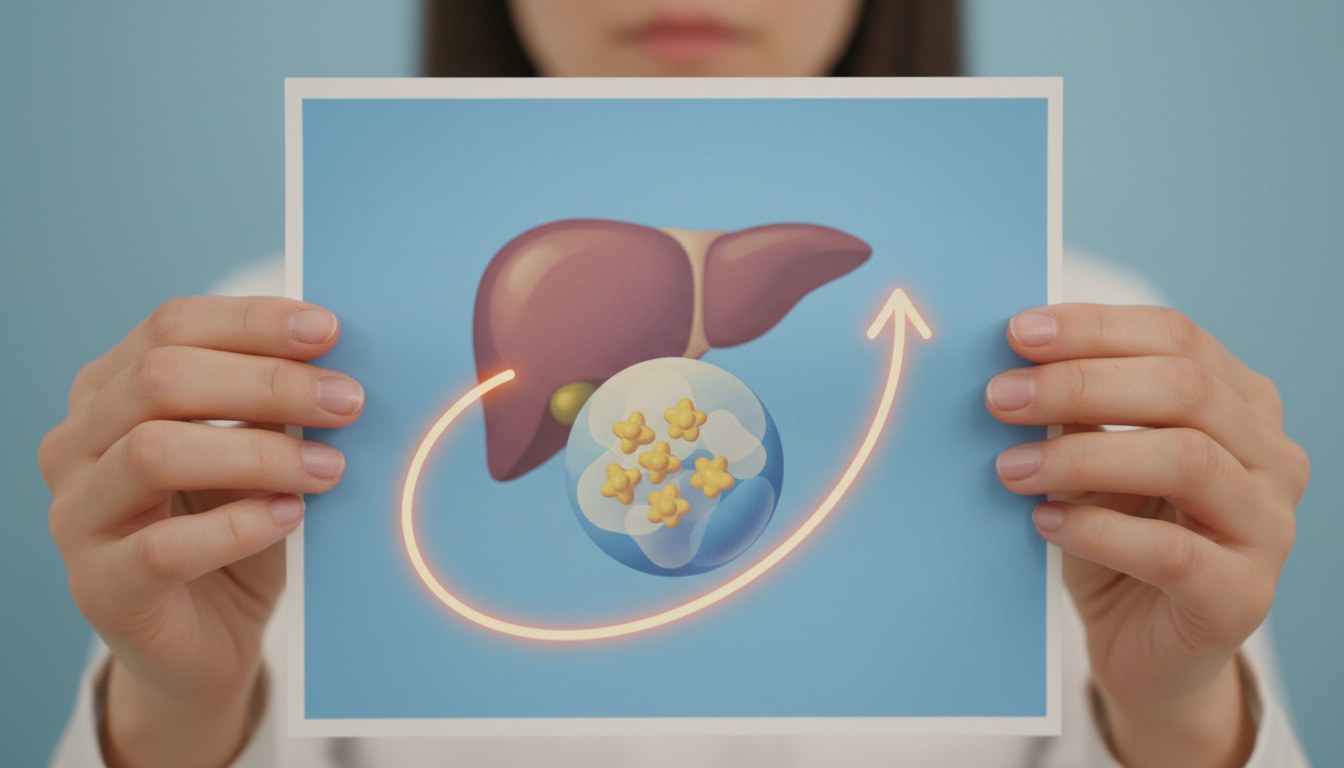
HDL stands for high-density lipoprotein, often called your "good" cholesterol because it helps clear cholesterol out of your bloodstream and carry it to the liver for disposal.
Written By: DocAi Health Editorial Team
Last Updated: 2026-07-20
HDL stands for high-density lipoprotein, often called your "good" cholesterol because it helps clear cholesterol out of your bloodstream and carry it to the liver for disposal. A low HDL result means you have less of this protective cholesterol, which is one recognized risk factor for heart disease and stroke. Low HDL causes no symptoms by itself. This guide explains what your number means, why it might be low, and what you can do next.
What HDL Cholesterol Is and Why It Matters
Cholesterol does not dissolve in blood, so your body packages it into particles called lipoproteins to move it around. The two you hear about most are LDL (low-density lipoprotein) and HDL. LDL tends to leave cholesterol behind in the walls of your arteries, where it can build up over time. HDL does the opposite job: it picks up extra cholesterol and returns it to the liver, a process known as reverse cholesterol transport.
Because higher HDL levels are linked with lower cardiovascular risk in large population studies, HDL earned its "good cholesterol" nickname. When HDL is low, that protective clean-up capacity is reduced, which is why it is treated as a warning sign worth paying attention to. Keep in mind that HDL is only one line on your lipid panel. Your clinician reads it alongside your LDL, triglycerides, and your broader health picture rather than on its own.
HDL Reference Ranges: Normal vs Concerning
In the United States, HDL is reported in milligrams per deciliter (mg/dL) as part of a standard lipid panel, which also measures total cholesterol, LDL, and triglycerides. For HDL, unlike LDL, higher is generally better. The commonly used reference points are shown below.
| HDL Category | Men | Women |
|---|---|---|
| Low (considered a risk factor) | Below 40 mg/dL | Below 50 mg/dL |
| Acceptable | 40 to 59 mg/dL | 50 to 59 mg/dL |
| Protective (higher is better) | 60 mg/dL and above | 60 mg/dL and above |
These are general reference points, and your laboratory may use slightly different cutoffs, so always compare your value against the range printed on your own report. A single low reading is also worth confirming, because factors like a recent illness, pregnancy, or an unusual few days can nudge results.
What a Low HDL Result Means
A low HDL is a marker of increased cardiovascular risk, not a diagnosis in itself. On its own it does not make you feel unwell and cannot be felt. What makes it meaningful is the company it often keeps. Low HDL frequently shows up alongside high triglycerides, insulin resistance, excess weight around the middle, and metabolic syndrome, so it can be a clue that your metabolic health as a whole needs attention.
Your provider interprets a low HDL in context. They look at your LDL and triglycerides, your blood pressure and blood sugar, whether you smoke, your age, and your family history to estimate your overall risk of a heart attack or stroke over time. Tools such as a cardiovascular risk estimate combine these factors into a fuller picture than any single number can give.
Common Causes of Low HDL
Several things can push HDL down, and often more than one is at play:
- Smoking. Tobacco use lowers HDL, and quitting can help raise it.
- Being physically inactive. A mostly sedentary routine is linked with lower HDL.
- Excess weight. Carrying extra weight, especially around the abdomen, tends to lower HDL.
- Type 2 diabetes and insulin resistance. Poorly controlled blood sugar often comes with low HDL and high triglycerides.
- Diet patterns. Eating a lot of refined carbohydrates, sugary foods, and trans fats can lower HDL.
- Certain medications. Some drugs, including anabolic steroids, certain beta-blockers, and some progestins, can reduce HDL. Never stop a prescribed medication on your own.
- Genetics. Some people inherit a tendency toward low HDL, sometimes with a family history of early heart disease.
How to Improve a Low HDL and What to Do Next
The most reliable ways to nudge HDL upward are also the ones that protect your heart broadly. Your clinician can help you build a plan that fits your health, but the general mainstays include:
- Stop smoking. This is one of the most effective steps for both HDL and overall heart health.
- Move regularly. Regular aerobic activity, such as brisk walking, cycling, or swimming, is linked with higher HDL.
- Reach and keep a healthy weight. Losing excess weight can raise HDL and lower triglycerides.
- Choose better fats. Replacing trans fats and heavily refined carbohydrates with sources like olive oil, nuts, seeds, and fatty fish supports a healthier lipid profile.
- Manage related conditions. Keeping diabetes and blood pressure under control, and following your clinician's advice on alcohol, all feed into the same risk picture.
One important nuance: large clinical trials of medications designed specifically to raise HDL have not shown that pushing the HDL number up, by itself, lowers the risk of heart attack or stroke. Because of this, care usually focuses on your total cardiovascular risk, especially lowering LDL when that is indicated, rather than on the HDL value alone. Your clinician will decide whether any medication is appropriate for you based on your full risk profile. Ask them when to recheck your lipid panel so you can see whether your changes are working.
When to Seek Medical Care
When to Seek Urgent or Emergency Care
A low HDL result itself is not an emergency and does not need a same-day visit. But because low HDL is tied to heart and blood vessel disease, it is worth knowing the warning signs that do. This guidance is in addition to, not a replacement for, the general disclaimer above.
Emergency, call 911 or go to the emergency room immediately if:
- You have chest pain, pressure, tightness, or squeezing, especially if it spreads to the arm, jaw, neck, or back, or comes with sweating, nausea, or shortness of breath. These can be signs of a heart attack.
- You have sudden face drooping, arm weakness, or slurred or garbled speech (the F.A.S.T. warning signs of a stroke), a sudden severe headache, or sudden trouble seeing, speaking, or walking.
- You faint or nearly faint, feel severe shortness of breath at rest, or have a fast or irregular heartbeat that does not settle.
See a doctor soon (same-day or next available appointment) if:
- Your lipid panel shows a low HDL and you want to understand what it means for your heart health.
- You have a low HDL along with other risk factors such as smoking, high blood pressure, diabetes, or a family history of early heart disease.
- You want help building a plan of lifestyle changes, and a discussion of whether any medication is right for you, to lower your overall cardiovascular risk.
Frequently Asked Questions
Is low HDL cholesterol dangerous?
Low HDL is not a disease and does not cause symptoms, but it is one risk factor for heart disease and stroke. How much it matters depends on your whole picture, including LDL, triglycerides, blood pressure, blood sugar, smoking, and family history. Your clinician weighs all of these together, not the HDL number alone.
What is a healthy HDL level?
For most adults, an HDL of 60 mg/dL or higher is generally considered protective. An HDL below 40 mg/dL in men, or below 50 mg/dL in women, is generally considered low. Laboratory reference ranges can vary slightly, so read your result against the range your lab prints.
Can I raise my HDL cholesterol naturally?
Often, yes. Quitting smoking, regular aerobic exercise, reaching a healthy weight, and replacing trans fats and refined carbohydrates with healthier fats can raise HDL over time. Results vary from person to person, and these habits help your heart in many ways beyond the HDL number itself.
Does a low HDL cause any symptoms?
No. Low HDL cholesterol causes no symptoms on its own and is found only through a blood test called a lipid panel. Any symptoms would come from the conditions that low HDL is linked to, such as heart disease, and not from the HDL value itself.
Do I need to fast before an HDL cholesterol test?
HDL is measured as part of a lipid panel. Many labs now accept a non-fasting sample, and HDL itself changes little with fasting. Because triglycerides are more affected by food, your clinician may still ask you to fast for 9 to 12 hours. Follow the specific instructions you are given.
My HDL is low but my LDL is normal. Do I still need to worry?
Not necessarily on its own, but it is worth discussing. Low HDL often travels with insulin resistance, high triglycerides, or metabolic syndrome, so your clinician looks at the full panel and your overall cardiovascular risk rather than judging any single number in isolation.
Sources
- MedlinePlus (National Library of Medicine, NIH) - HDL: The "Good" Cholesterol
- Centers for Disease Control and Prevention (CDC) - LDL and HDL Cholesterol and Triglycerides
- National Heart, Lung, and Blood Institute (NIH) - Blood Cholesterol
- Mayo Clinic - HDL cholesterol: How to boost your 'good' cholesterol
- American Heart Association - HDL (Good), LDL (Bad) Cholesterol and Triglycerides