What Does a Low eGFR Number Mean for Kidney Function?
Your estimated glomerular filtration rate (eGFR) is a number that describes how well your kidneys are filtering waste out of your blood. A low eGFR means the kidneys are clearing waste more slowly than expected.
Written By: DocAi Health Editorial Team
Last Updated: 2026-07-19
Your estimated glomerular filtration rate (eGFR) is a number that describes how well your kidneys are filtering waste out of your blood. A low eGFR usually suggests that the kidneys are clearing waste more slowly than expected. One low reading is not a diagnosis on its own, but an eGFR that stays under 60 for three months or more points toward chronic kidney disease and is worth following up. This guide explains what the number means, how the stages work, and what to do next.
What eGFR Measures
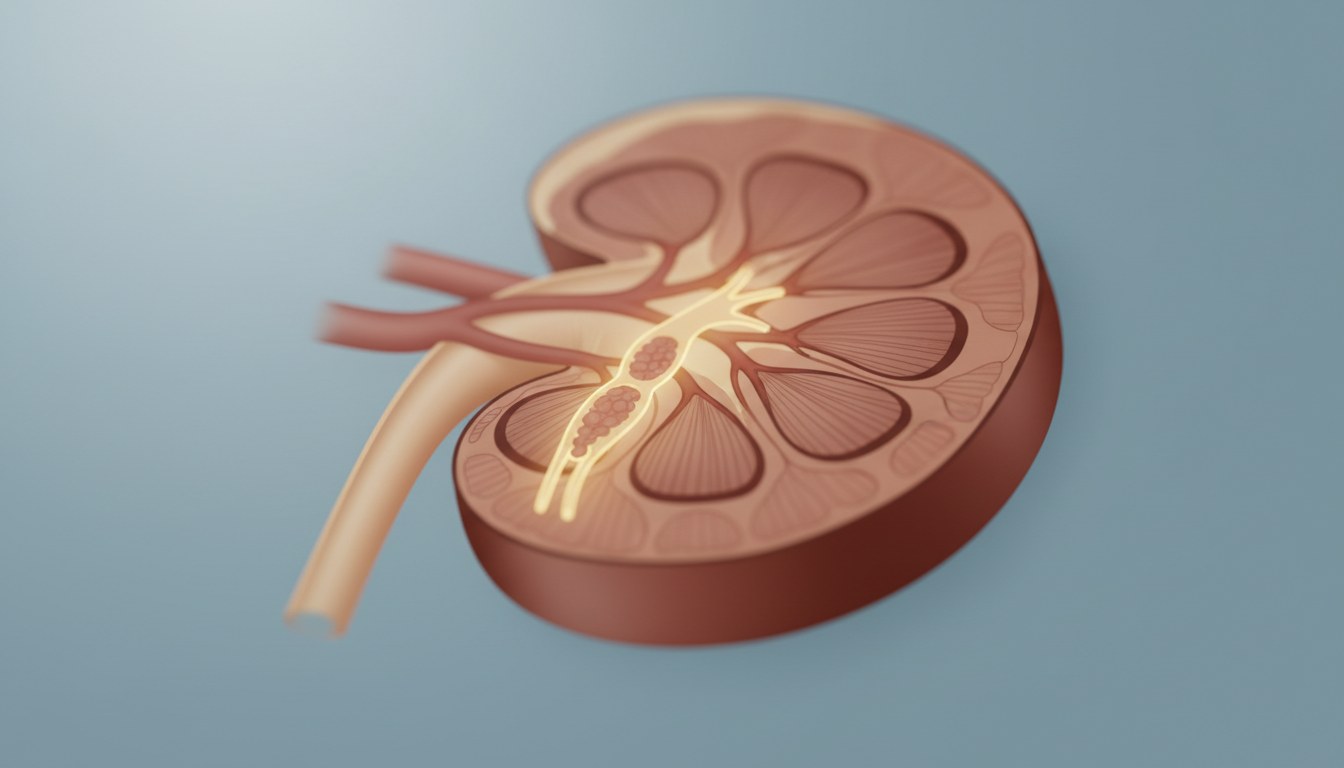
Your kidneys filter your entire blood supply many times a day, pulling out waste and extra fluid that leave as urine. The glomerular filtration rate is the volume of blood they filter each minute, reported as milliliters per minute per 1.73 square meters of body surface area (mL/min/1.73 m²).
Measuring the true rate directly is complicated, so labs estimate it. The estimated GFR is calculated from your blood creatinine level plus your age and sex, using a standard formula (the current CKD-EPI creatinine equation, which no longer includes a race variable). Creatinine builds up when the kidneys slow down, so a higher creatinine generally produces a lower eGFR.
What Counts as a Low eGFR
In a healthy adult without other signs of kidney trouble, an eGFR of 90 or above is considered normal, and because filtration slows with age, many older adults sit a little lower and are still healthy. The number that draws attention is 60: an eGFR below 60 that persists for three months or longer is the threshold used to define chronic kidney disease (CKD), and doctors sort the reduction into stages.
| eGFR (mL/min/1.73 m²) | Stage | What it generally indicates |
|---|---|---|
| 90 or above | Stage 1* | Normal filtration (kidney disease only if damage markers are present) |
| 60 to 89 | Stage 2* | Mildly reduced; common and often normal for age |
| 45 to 59 | Stage 3a | Mild to moderate reduction in kidney function |
| 30 to 44 | Stage 3b | Moderate to severe reduction |
| 15 to 29 | Stage 4 | Severe reduction; specialist care needed |
| Below 15 | Stage 5 | Kidney failure; dialysis or transplant considered |
*Stages 1 and 2 count as chronic kidney disease only when there is separate evidence of damage, such as protein in the urine or changes on imaging. A normal eGFR by itself is reassuring. Because the estimate is less precise at the top of the range, many labs report values above 60 simply as "greater than 60."
Why a Low eGFR Is Not Always Kidney Disease
A single low result does not confirm permanent damage. eGFR is an estimate, and several everyday situations can lower it temporarily or make it read below your true kidney function:
- Dehydration or a recent illness. Not drinking enough, vomiting, diarrhea, or a fever can briefly raise creatinine and lower the estimate.
- Diet and supplements. A very large meat meal or creatine supplements can nudge creatinine up near the time of the test.
- Muscle mass. Creatinine comes from muscle, so very muscular people may test lower and frail or older people higher than their true rate.
Because of this, a low eGFR is usually rechecked after a few weeks, ideally when you are well and hydrated. It is also paired with a urine test for albumin (a protein), often reported as the urine albumin-to-creatinine ratio (uACR), which together give a much clearer picture than the blood estimate alone.
Common Causes of Reduced Kidney Function
When a low eGFR does reflect ongoing kidney disease, the most frequent underlying causes in the United States are:
- Diabetes. Long-standing high blood sugar damages the kidneys' small filtering vessels and is the leading cause of chronic kidney disease.
- High blood pressure. Uncontrolled hypertension strains those same vessels over time and is the second most common cause.
- Glomerular disease. Conditions such as glomerulonephritis inflame the kidney's filters directly.
- Inherited and structural problems. Polycystic kidney disease, long-term urinary blockage, or repeated kidney infections can all lower filtration.
- Medications and toxins. Regular heavy use of NSAID pain relievers (such as ibuprofen and naproxen), and certain other drugs, can reduce kidney function in people already at risk.
- Acute kidney injury. A sudden insult from severe dehydration, serious infection, or major illness can drop eGFR quickly, and it may not fully recover.
What a Low eGFR Means for You and What to Do Next
Early kidney disease often causes no symptoms, which is exactly why the blood test matters. As filtration falls further, some people notice fatigue, swelling in the legs or ankles, changes in urination, foamy urine, poor appetite, or nausea. If your result comes back low, a reasonable path forward usually looks like this:
- Confirm it. Expect your clinician to repeat the eGFR and add a urine albumin test before drawing conclusions.
- Treat the root cause. Keeping blood sugar and blood pressure in target range is the most effective way to protect kidney function.
- Review your medications. Ask whether any prescriptions or over-the-counter drugs (especially NSAIDs) should be adjusted, and check doses cleared by the kidneys.
- Support your kidneys. Stay well hydrated, do not smoke, and follow any dietary advice your care team gives you.
- Know when a specialist is involved. Persistently low or falling eGFR, especially stage 3b and below, often prompts a referral to a nephrologist (kidney specialist).
Catching a low eGFR early gives you and your doctor the best chance to slow or stabilize the decline.
When to Seek Medical Care
When to Seek Urgent or Emergency Care
Most low eGFR results are followed up with your provider on a routine or same-day basis rather than in an emergency room. But certain symptoms that can come with rapidly failing kidneys are true emergencies. This guidance is in addition to, not a replacement for, the general disclaimer above.
Emergency, call 911 or go to the emergency room immediately if:
- You are passing very little or no urine over a day, or your urine output drops sharply, especially with new confusion, extreme drowsiness, or trouble breathing. This can signal acute kidney failure or dangerous fluid buildup.
- You have chest pain, a fast or irregular heartbeat, or muscle weakness so severe you can barely move, particularly if you know your potassium is high. Very high potassium from failing kidneys can trigger a life-threatening heart rhythm.
- You have severe shortness of breath at rest or feel you cannot get enough air, which can mean fluid is backing up into your lungs.
- You have new confusion, a seizure, or you faint.
See a doctor soon (same-day or next available appointment) if:
- You have a new eGFR result below 60, or a value that has dropped noticeably compared with earlier tests.
- You notice swelling in your legs, ankles, feet, or around your eyes.
- You see foamy or bubbly urine, blood in your urine, or you are urinating much more or less than usual.
- You have ongoing fatigue, poor appetite, nausea, or difficulty concentrating alongside an abnormal kidney result.
Frequently Asked Questions
Can a low eGFR go back to normal?
Sometimes. If the drop is caused by a temporary problem such as dehydration, a short-term illness, or a medication, eGFR often recovers once that cause is treated. When a low eGFR reflects established chronic kidney disease, the goal is usually to slow further decline rather than fully reverse it, though early treatment can make a real difference.
What eGFR level is considered dangerous?
An eGFR below 15 indicates kidney failure (stage 5 chronic kidney disease) and usually means dialysis or a transplant is being considered. Values in the 15 to 29 range (stage 4) are severe and need close specialist care. Any sudden, sharp drop should be evaluated promptly, whatever the exact number.
What is the difference between eGFR and creatinine?
Creatinine is a waste product measured directly in your blood. eGFR is a calculation that uses your creatinine level along with your age and sex to estimate how much blood your kidneys filter each minute. A high creatinine and a low eGFR usually point to the same thing: kidneys that are filtering less efficiently.
Can dehydration cause a low eGFR?
Yes. Being dehydrated can raise your creatinine and temporarily lower your eGFR, which is one reason a single low result is usually rechecked once you are well hydrated. If the value returns to normal after rehydration, it points to a short-term cause rather than chronic kidney disease.
Sources
- MedlinePlus (National Library of Medicine, NIH) - Glomerular filtration rate
- National Institute of Diabetes and Digestive and Kidney Diseases (NIDDK, NIH) - Estimated Glomerular Filtration Rate Calculators
- National Kidney Foundation - Estimated Glomerular Filtration Rate (eGFR)
- Mayo Clinic - Chronic kidney disease - Symptoms and causes
- Centers for Disease Control and Prevention (CDC) - Chronic Kidney Disease Basics